

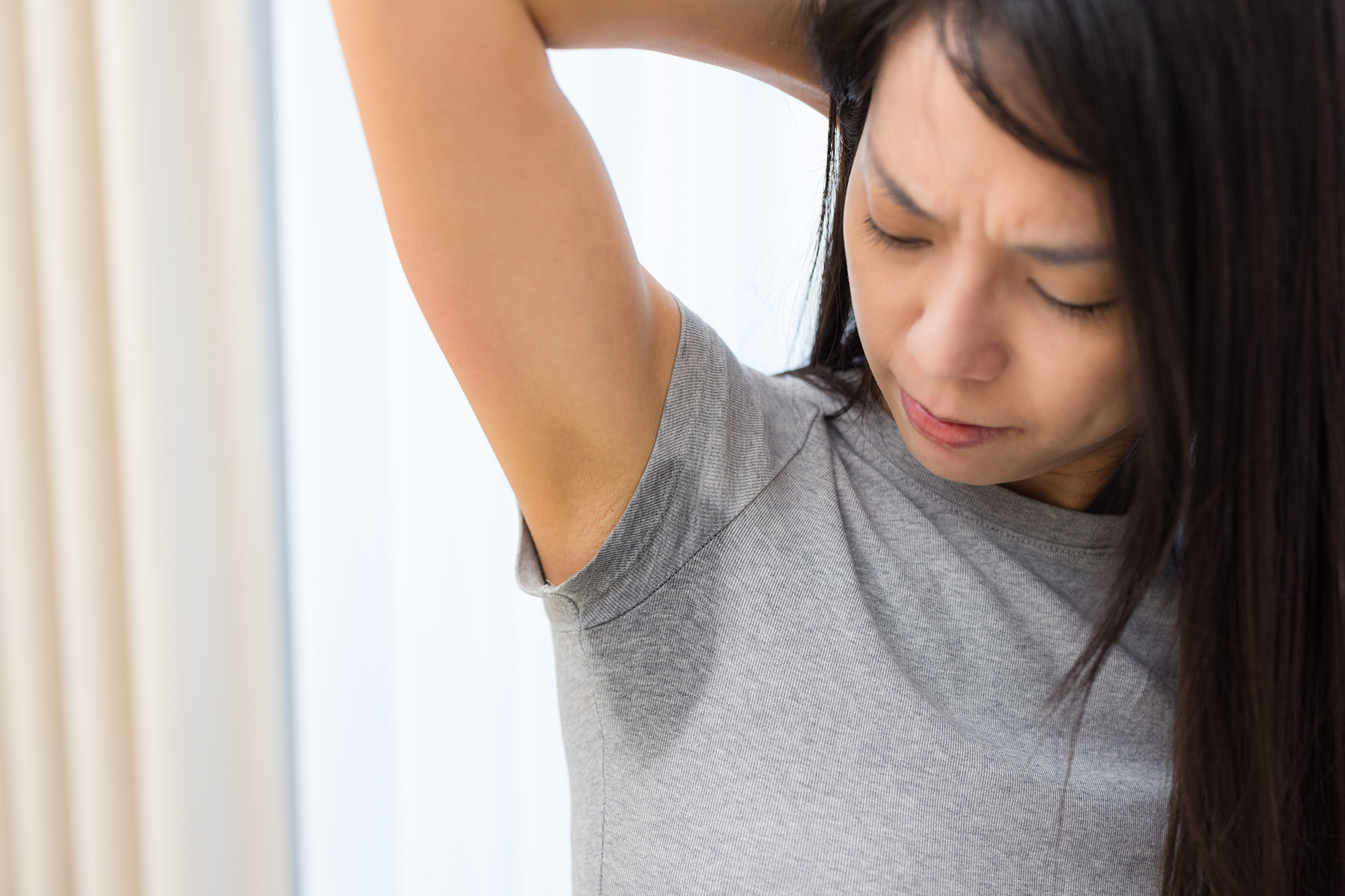
How Hormones Affect Body Odor
Body odor is not just about sweat. It is also influenced by what is happening beneath the surface.
Hormones play a major role in how the body functions, including how much we sweat, the type of sweat we produce, and how that sweat interacts with the skin. Because of that, hormonal changes can directly affect body odor at different stages of life.
At Sken, we believe body care should be approached with the same thoughtfulness as skincare. That means understanding body odor not as something to be masked, but as something influenced by biology, skin condition, and daily ritual.
Body Odor Starts With Sweat — But It Does Not End There
Body odor develops when sweat interacts with the bacteria naturally present on the skin. Hormones can influence both sweat production and the conditions that make odor more noticeable.
Not all sweat is the same. Apocrine sweat glands, found in areas like the underarms and groin, produce a thicker sweat made up of proteins and lipids. That type of sweat creates more opportunity for odor to develop when it mixes with skin bacteria.
Why Hormonal Changes Can Make Odor More Noticeable
Hormones affect body odor because they can change how much you sweat and what that sweat is like.
During puberty, increased hormonal activity can stimulate apocrine sweat glands, which is one reason body odor often becomes more noticeable during adolescence. Hormonal shifts can also affect oil production and skin balance, both of which can contribute to changes in odor.
Hormonal fluctuations throughout the month can also affect body odor for some people. Changes in estrogen and progesterone may influence sweat composition and bacterial activity on the skin, which can make scent feel different at different times.
Stress is another factor. Stress-related hormones can increase sweat production, and that can intensify odor, especially in areas where apocrine glands are active.
Hormones, Skin, and the Body’s Chemistry
What makes body odor feel inconsistent is that it often is.
You may notice changes during puberty, around your cycle, during periods of high stress, or while taking medications that affect hormone levels. Certain health conditions tied to excess sweating can also make odor harder to manage.
This does not mean something is wrong. It means body odor is dynamic. It changes as your body changes.
A More Intelligent Way to Think About Odor
Too often, odor care is framed as something purely cosmetic. But body odor is often a response to physiology, not a failure of hygiene.
A more modern approach is to care for skin in a way that respects its natural balance while helping manage odor at the source. That means being mindful of sweat, buildup, skin condition, and the formulas you use daily.
At Sken, we believe effective body care should work with the skin, not against it.
The Sken Perspective
Hormonal changes are a normal part of life, and body odor can shift along with them. Puberty, stress, cycle-related changes, medications, and other hormonal fluctuations can all influence how odor shows up on the skin.
The answer is not to overcorrect. It is to build a body care ritual that keeps skin fresh, balanced, and supported.
Because body care should do more than cover odor. It should care for skin with intention.
Support your skin through every shift with body care designed to perform.